
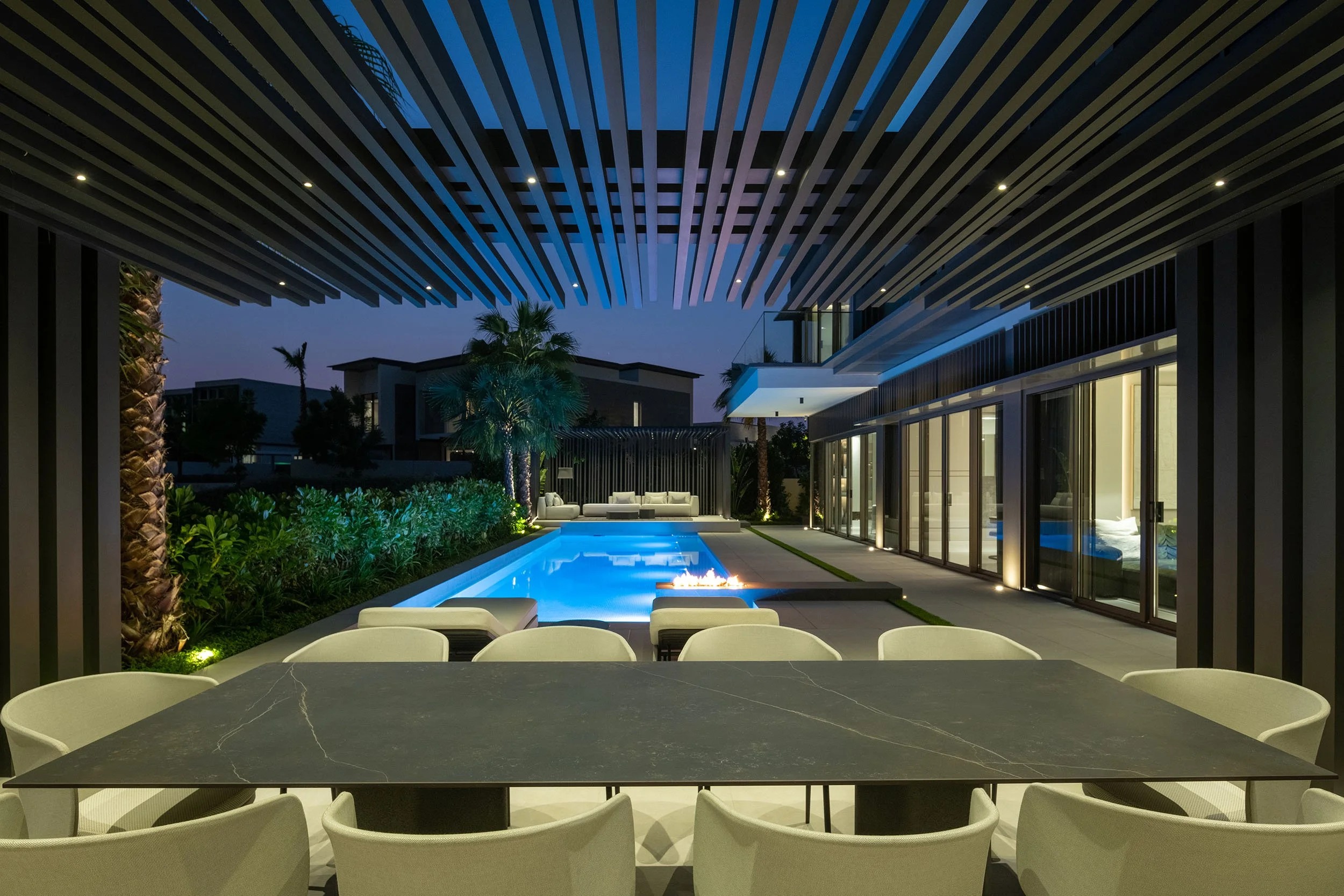
The use of negative space in garden design can create a sense of balance and harmony within a landscape. It allows the eye to rest and appreciate the elements that are present, rather than overwhelming it with too much visual stimulation. In this way, negative space can be just as important in a modern landscape design as plants, hardscape features, and other design elements.
The strength of emptiness:
Negative space offers visual relief in a crowded world. A wide stretch of smooth gravel next to a dense cluster of ferns makes both elements appear more distinct. The empty area gives weight to the planted section. This balance stops the garden from becoming a messy collection of random objects. Each plant gains importance because the space around it highlights its form.
Creating focal points with gaps:
A single sculptural tree placed alone in an open lawn draws immediate attention. The surrounding emptiness frames the tree like a masterpiece in a gallery. This technique works with seating areas too. A simple bench placed on a bare stone patio becomes a destination. The empty floor around the bench invites people to stop and appreciate the view.
Movement through open spaces:
Pathways gain significance when they travel through open ground. Wide paving stones separated by gaps of fine pebbles create a rhythm. This pattern guides visitors without forcing a specific route. The open spaces between stepping stones offer choices. People can walk quickly or pause to admire a nearby flower. The freedom of movement adds a layer of pleasure to the garden experience.
Balancing plants and hardscapes:
Dense planting beds benefit from adjacent areas of plain decking or concrete. This contrast prevents the eye from feeling overwhelmed by green foliage. A wall of clipped hedges appears taller when placed next to a low horizontal bench. The empty space around the bench accentuates the vertical height of the hedge. This game of proportions makes the garden feel larger and more intentional.
The role of light in empty areas:
Morning sunlight fills an empty courtyard and turns it into a glowing room. Shadows stretch across bare walls and create ever-changing patterns. The absence of plants in these spots allows light to become the main actor. This natural illumination changes the mood of the garden every hour. The empty spaces capture the sun’s movement and translate it into a daily performance.